


3 Days in Cappadocia Holiday
Cappadocia Travel Guide: Everything You Need to Know Before Your Visit
Cappadocia stands as one of Turkey's most extraordinary destinations, where millions of years of geological history have created a landscape that seems plucked from a fantasy novel. This comprehensive guide covers everything you need to plan an unforgettable journey to this unique region, from its fairy chimneys and underground cities to practical information about transportation, accommodations, and budgeting.
1. Introduction to Cappadocia: A Land Shaped by Fire and Time
The Geological Marvel
Cappadocia's otherworldly landscape began forming approximately 60 million years ago through intense volcanic activity. Ancient volcanoes, including Mount Erciyes and Mount Hasan, erupted repeatedly, blanketing the region with thick layers of ash and lava. Over millennia, these soft volcanic deposits called tuff solidified into rock formations that would later be sculpted by nature's patient hand.
Wind and water erosion worked tirelessly across thousands of years, carving the soft volcanic rock into the remarkable formations visible today. The harder basalt rock caps protected underlying softer layers, creating the iconic "fairy chimneys" or "hoodoos" – tall, cone-shaped pillars topped with boulder-like caps that give Cappadocia its distinctive skyline.
Historical Background
Human settlement in Cappadocia dates back to the Bronze Age, around 3000 BCE. The region's soft volcanic rock proved ideal for carving homes, storage facilities, and eventually entire underground cities. Early inhabitants discovered they could easily excavate the tuff to create shelter from harsh weather and invading armies.
During the Roman and Byzantine periods, Christian communities fled persecution and carved elaborate underground cities extending multiple levels beneath the surface. Derinkuyu and Kaymaklı, the most famous of these subterranean settlements, could house thousands of people along with their livestock, food stores, and even wineries. Ventilation shafts, water wells, and rolling stone doors created self-sufficient communities hidden from view.
Between the 4th and 11th centuries, Byzantine monks transformed Cappadocia into a significant religious center, carving hundreds of rock-cut churches into cliff faces and valley walls. These sanctuaries feature stunning frescoes depicting biblical scenes, many remarkably preserved despite their age.
The Atmosphere and Visual Experience
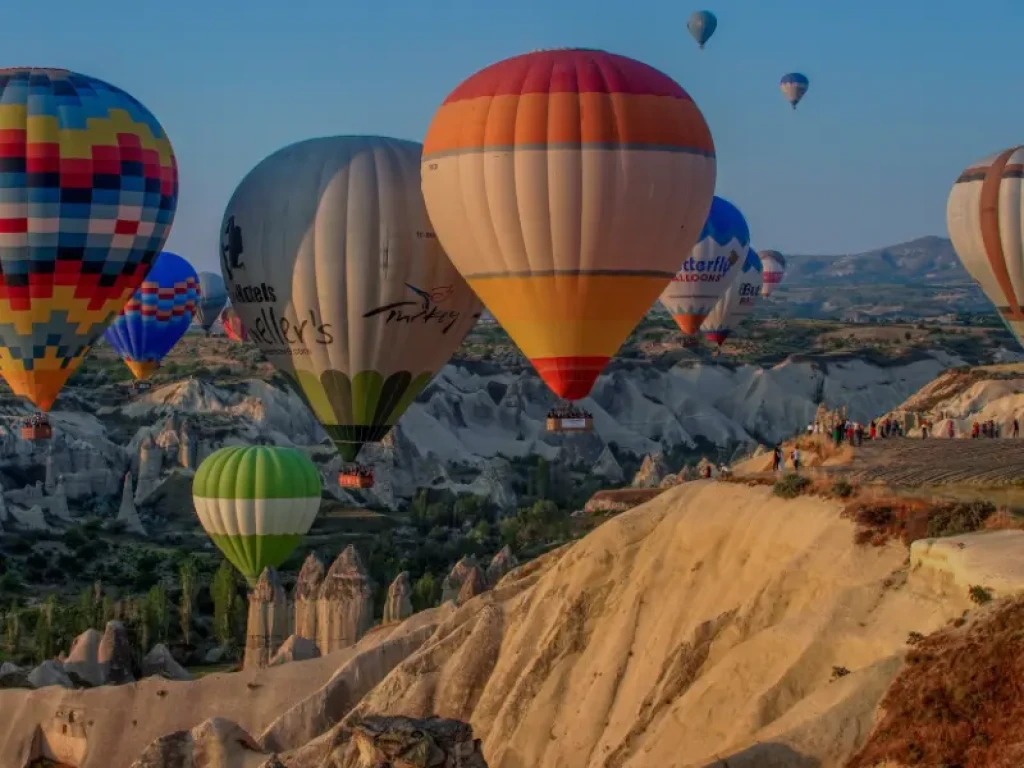
Stepping into Cappadocia feels like entering another world. At sunrise, dozens of colorful hot air balloons drift silently above valleys dotted with hundreds of fairy chimneys, their elongated shadows stretching across the rose-tinted landscape. The soft morning light illuminates rock formations in shades of cream, pink, orange, and rust, creating an ethereal atmosphere photographers dream about.
The region's valleys present distinct personalities throughout the day. Morning light brings soft pastels, midday sun reveals stark contrasts and deep shadows within carved caves, and sunset bathes everything in golden warmth. After dark, cave hotels glow from within, their windows and terraces twinkling like stars against the rocky hillsides.
2. Major Tourist Attractions: What to See in Cappadocia
Göreme Open Air Museum
This UNESCO World Heritage site represents Cappadocia's most significant concentration of rock-cut churches and monasteries. Dating from the 10th to 12th centuries, the complex showcases exceptional Byzantine religious art and architecture. The Dark Church (Karanlık Kilise) features particularly well-preserved frescoes thanks to minimal light exposure over centuries. The Buckle Church (Tokalı Kilise) impresses visitors with its extensive fresco cycles covering nearly every surface.
Located just a short walk from Göreme town center, the museum requires approximately two hours to explore thoroughly. Early morning visits before tour groups arrive offer the best experience.
Underground Cities
Cappadocia contains approximately 200 underground cities, with Derinkuyu and Kaymaklı being the most extensively developed and open to visitors.
Derinkuyu Underground City descends approximately 85 meters into the earth across eight levels, though only four are accessible to tourists. This massive complex could shelter up to 20,000 people along with livestock and food supplies. Ingenious ventilation shafts provided fresh air to the deepest levels, while rolling stone doors weighing up to 500 kilograms could seal passages against invaders.
Kaymaklı Underground City features a more compact layout across four accessible levels. Its maze-like tunnels connect living quarters, stables, storage rooms, kitchens, and even a church. The low ceilings and narrow passages create an authentic sense of the defensive capabilities these cities provided.
The Valleys: Nature's Sculpture Garden
Love Valley earned its name from the phallic-shaped rock formations rising from the valley floor. Beyond the amusing shapes, this valley offers excellent hiking trails with minimal tourist traffic and spectacular sunset views from elevated viewpoints.
Devrent Valley (Imagination Valley) contains no churches or human settlements, allowing visitors to focus entirely on fantastical natural rock formations. Shapes resembling animals, faces, and objects emerge from the landscape, sparking imagination and providing unique photography opportunities.
Pasabag (Monks Valley) showcases some of Cappadocia's most impressive fairy chimneys, including remarkable triple-headed formations. Hermit monks once inhabited cells carved into these towering pillars, seeking isolation for meditation and prayer.
Pigeon Valley connects Göreme to Uçhisar through a scenic 4-kilometer hiking trail. Thousands of pigeon houses carved into cliff faces gave the valley its name. Local farmers traditionally collected pigeon droppings as fertilizer for Cappadocia's vineyards.
Uçhisar Castle
This natural rock formation served as a defensive fortress throughout history. The 60-meter-high outcrop contains numerous rooms and tunnels carved across multiple levels. Climbing to the summit rewards visitors with panoramic 360-degree views encompassing Göreme, surrounding valleys, and distant Mount Erciyes.
Avanos
This charming riverside town along the Kızılırmak (Red River) has maintained traditional pottery-making techniques for over 3,000 years. Visitors can tour pottery workshops, watch master craftsmen demonstrate ancient methods, and even try their hand at the potter's wheel. The iron-rich clay from the river creates Avanos pottery's distinctive red color.
3. Why Cappadocia is So Popular: The Region's Unique Advantages
High Tourist Appeal Year-Round
Cappadocia attracts approximately 3 million visitors annually, with tourists coming from every corner of the globe. The region's unique combination of natural beauty, historical significance, and adventure activities creates appeal across diverse traveler demographics – from honeymooners seeking romance to families wanting educational experiences, from adventure enthusiasts to history buffs.
Unlike seasonal beach destinations, Cappadocia maintains visitor interest throughout the year. Each season offers distinct advantages: spring brings wildflowers and mild temperatures, summer provides long daylight hours for exploration, autumn delivers comfortable weather and fewer crowds, while winter transforms the landscape into a snow-covered wonderland with unique photographic opportunities.
Activity Hub with Göreme at the Center
Göreme functions as Cappadocia's tourism epicenter, offering the highest concentration of accommodations, restaurants, tour operators, and activity providers. This central location provides easy access to major attractions within a 5-15 kilometer radius, making it the most convenient base for exploration.
The town's infrastructure specifically caters to international tourists, with English-speaking staff, diverse cuisine options ranging from traditional Turkish to international fare, and services like luggage storage, laundry, and tour booking readily available.
Diverse Accommodation and Dining Options
Cappadocia's accommodation scene ranges from budget-friendly hostels to ultra-luxury cave hotels with private pools and butler service. The region pioneered the concept of cave hotels – authentic accommodations carved into ancient rock dwellings, combining historical architecture with modern comforts.
Dining options similarly span the spectrum from street food vendors selling gözleme (Turkish flatbread) to upscale restaurants serving contemporary interpretations of Anatolian cuisine. Many establishments incorporate local specialties like testi kebabı (pottery kebab), mantı (Turkish dumplings), and wines from Cappadocia's volcanic soil vineyards.
4. Essential Pre-Visit Information: Answering Your Key Questions
Is the Hot Air Balloon Experience Worth It?
The hot air balloon flight represents Cappadocia's most iconic and sought-after activity. While not inexpensive (typically $150-250 per person), most travelers consider it an essential experience that justifies the cost.
Balloon flights launch at sunrise, when stable atmospheric conditions and soft morning light create optimal flying conditions and spectacular photography opportunities. Flights typically last 60-90 minutes, with baskets carrying 16-28 passengers plus the pilot. Smaller basket options (8-12 passengers) cost more but provide better views and photo angles.
Weather dependency means flights cancel when conditions aren't ideal, particularly during winter months and periods of strong wind. Booking early in your trip provides backup dates if your first scheduled flight cancels.
The experience delivers unparalleled aerial perspectives of Cappadocia's landscape, with balloons floating just meters above fairy chimneys, drifting through valleys, and rising to altitudes offering panoramic vistas. Post-flight champagne celebrations and flight certificates commemorate the experience.
Most Popular Tours: Red Tour vs Green Tour
Red Tour covers attractions closest to Göreme, making it ideal for visitors with limited time or those wanting an introduction to Cappadocia's highlights. The full-day tour typically includes:
- Göreme Open Air Museum
- Paşabağ (Monks Valley)
- Avanos pottery demonstration
- Devrent Valley
- Uçhisar Castle
Green Tour ventures further from Göreme into southern Cappadocia, offering different landscapes and historical sites:
- Derinkuyu Underground City
- Ihlara Valley (hiking along the river)
- Selime Monastery
- Onyx workshop demonstration
Both tours run approximately 6-7 hours with lunch included. Many visitors book both tours across consecutive days to maximize their Cappadocia experience.
Best Sunrise and Sunset Viewpoints
For Sunrise:
- Hot air balloon flight (obviously the ultimate sunrise experience)
- Göreme Panorama provides elevated views over Göreme town with balloons floating below
- Red Valley Trail offers solitude and stunning rock formations bathed in morning light
- Uçhisar Castle (opens early) delivers 360-degree sunrise panoramas
For Sunset:
- Red Valley ranks as the most popular sunset spot, with trails leading to elevated viewpoints
- Rose Valley showcases pink-hued rocks intensifying during golden hour
- Love Valley provides dramatic silhouettes of unique rock formations
- Uçhisar Castle remains excellent for sunset with different lighting than sunrise
Arrive 30-45 minutes before sunset at popular viewpoints to secure good positions, as these locations attract crowds during peak season.
Hiking and Nature Walks
Cappadocia's valleys offer exceptional hiking opportunities across varying difficulty levels:
Easy Trails (1-2 hours):
- Pigeon Valley (Göreme to Uçhisar)
- White Valley
- Zemi Valley
Moderate Trails (2-4 hours):
- Rose Valley
- Red Valley
- Love Valley complete circuit
Longer Hikes (4+ hours):
- Ihlara Valley (full length)
- Meskendir Valley
- Combined valley circuits
Most trails feature well-marked paths through dramatic rock formations, past abandoned cave dwellings, and through orchards and vineyards. Spring and autumn provide ideal hiking temperatures, while summer requires early morning starts to avoid midday heat.
Local Cuisine You Must Try
Testi Kebabı (Pottery Kebab): Meat and vegetables slow-cooked in sealed clay pots, then dramatically cracked open tableside. The sealed cooking method creates incredibly tender, flavorful results.
Mantı: Turkish dumplings filled with spiced meat, topped with yogurt and butter sauce. Cappadocian versions often feature local herbs and smaller dumpling sizes.
Gözleme: Thin flatbread filled with cheese, spinach, or potato, cooked on a griddle. Perfect for quick lunches or snacks.
Local Wines: Cappadocia's volcanic soil and climate produce distinctive wines. Emir and Narince white varieties and Kalecik Karası red deserve tasting.
Pekmez and Sucuk: Grape molasses (pekmez) and spiced sausage (sucuk) appear in various local dishes and make excellent souvenirs.
5. Getting to Cappadocia: Transportation Options
Airports Serving Cappadocia
Nevşehir Kapadokya Airport (NAV) sits approximately 40 kilometers from Göreme, offering the closest access to central Cappadocia. Limited domestic flights from Istanbul operate on this route. The smaller airport means shorter processing times but fewer flight options.
Transfer from Nevşehir Airport to Göreme takes approximately 45 minutes by road.
Kayseri Erkilet Airport (ASR) serves as the primary gateway to Cappadocia, located approximately 75 kilometers from Göreme. Substantially more domestic flights from Istanbul, Ankara, and Izmir operate through Kayseri, along with some international connections.
Kayseri Airport to Göreme transfer requires 60-75 minutes. Kayseri Airport to Cappadocia transfer services operate throughout the day to accommodate various flight schedules.
Return transfers from Göreme to Kayseri Airport should be scheduled to arrive 2 hours before domestic flights.
Distances from Major Cities
From Ankara: 280 kilometers (approximately 3.5-4 hours driving) Ankara to Cappadocia transfer provides comfortable direct transportation from Turkey's capital.
From Istanbul: 730 kilometers (approximately 8-9 hours driving, or 1.5 hours by flight)
From Antalya: 550 kilometers (approximately 7-8 hours driving)
Transfer Options
Private Transfers offer the most comfortable and flexible option, particularly for families or groups. Door-to-door service eliminates the hassle of navigating public transportation with luggage. Pre-booked transfers guarantee fixed prices and avoid negotiation stress.
Shared Shuttles provide economical options for solo travelers or couples, though they involve waiting for other passengers and multiple hotel stops.
Rental Cars give maximum flexibility for exploring Cappadocia and surrounding regions independently. Roads are generally well-maintained, though winter driving requires caution.
6. Sample Itineraries: Planning Your Cappadocia Adventure
3-Day Classic Cappadocia Itinerary
Day 1: Arrival and Orientation
- Arrive via Kayseri Airport to Göreme transfer
- Check into cave hotel
- Afternoon: Explore Göreme town, visit carpet/pottery shops
- Sunset: Walk to Göreme Panorama viewpoint
- Evening: Dinner in town, early sleep for balloon flight
Day 2: Red Tour and Sunset
- 4:30 AM: Hot air balloon flight
- Post-flight: Return to hotel for breakfast and rest
- 10:00 AM: Join Red Tour (Göreme Museum, Paşabağ, Avanos, Devrent, Uçhisar)
- 5:00 PM: Return to hotel, freshen up
- 6:00 PM: Hike through Rose Valley for sunset
- Dinner: Try testi kebabı at traditional restaurant
Day 3: Green Tour and Departure
- 9:00 AM: Join Green Tour (Underground City, Ihlara Valley, Selime Monastery)
- 5:00 PM: Return to Göreme
- Evening: Shopping for souvenirs, final dinner
- Transfer from Göreme to Kayseri Airport for departure
2-Day Express Itinerary
Day 1:
- Morning: Arrive and check in
- Afternoon: Red Tour highlights
- Sunset: Rose Valley or Uçhisar Castle
- Evening: Town dinner and early sleep
Day 2:
- Pre-dawn: Hot air balloon flight
- Mid-morning: Underground city visit
- Afternoon: ATV tour through valleys
- Evening: Departure transfer
4-Day Comprehensive Experience
Add to the 3-day itinerary:
- Additional valley hiking (Love Valley, Meskendir Valley)
- Horseback riding tour
- Turkish cooking class
- Wine tasting tour
- Photography-focused sunrise/sunset expeditions
7. Activities and Experiences Beyond Balloons
ATV Tours
All-terrain vehicle tours provide thrilling ways to explore valleys and off-road routes inaccessible to regular vehicles. Sunset ATV tours rank as particularly popular, combining adventure with spectacular golden hour photography.
Tours typically last 2 hours, with options for single or double ATVs. No previous experience required, though dusty conditions mean protective eyewear and bandanas are recommended.
Horseback Riding
Given the region's name derives from "Katpatuka" (meaning "Land of Beautiful Horses"), horseback riding offers authentic cultural connection. Multiple ranches operate guided trail rides through valleys, from one-hour introductory rides to half-day expeditions.
Sunset horseback tours through Rose Valley create particularly memorable experiences, with the added benefit of avoiding midday heat.
Photography and Drone Experiences
Cappadocia's landscape creates paradise for photographers. Beyond personal photography, several operators offer professional photo sessions at iconic locations, providing edited images perfect for special occasions or social media.
Drone pilots should note regulations require permits for commercial drone use. Some viewpoints prohibit drones to protect hot air balloon flight paths. Sunrise and sunset provide optimal lighting for aerial photography.
Turkish Night Shows
Several venues present traditional Turkish entertainment combining folk dancing, whirling dervish performances, and regional music. While touristy, these shows provide cultural introduction alongside dinner featuring multiple courses of Turkish specialties.
Cooking Classes
Learn to prepare Turkish dishes from local chefs in intimate class settings. Most classes focus on dishes like mantı, börek, and traditional desserts, concluding with communal meals featuring your creations.
8. Accommodation Guide: Where to Stay in Cappadocia
Budget-Friendly Options ($30-60 per night)
Hostels and budget cave hotels offer authentic experiences without premium prices. Many feature communal terraces with valley views, shared kitchens, and social atmospheres ideal for solo travelers.
Recommended areas: Central Göreme provides easiest access to restaurants, shops, and tour departure points.
Mid-Range Hotels ($60-150 per night)
This category offers the sweet spot of authentic cave architecture with modern comforts. Expect boutique properties with 10-30 rooms, rooftop terraces for balloon viewing, complimentary breakfast, and helpful staff.
Recommended areas: Göreme edges or Uçhisar provide quieter settings while maintaining accessibility.
Luxury Cave Hotels ($150-500+ per night)
Premium properties deliver spectacular design blending historical cave architecture with luxury amenities. Features include private jacuzzis, heated pools, spa services, gourmet restaurants, and impeccable service.
Many luxury hotels offer private balloon viewing terraces where you can watch launches with champagne breakfast, avoiding crowds at public viewpoints.
Recommended areas: Uçhisar and Ortahisar offer sophisticated atmospheres with stunning views.
Family-Friendly Accommodations
Look for properties offering:
- Family suites or connecting rooms
- Swimming pools (important for children during summer heat)
- On-site restaurants (easier than finding child-friendly options in town)
- Tour booking services
- Balloon viewing areas (if balloon flights seem too adventurous for young children)
Town Selection: Göreme vs Uçhisar vs Ortahisar
Göreme: Most convenient for first-time visitors, highest concentration of restaurants and services, younger/more social atmosphere, best for those without rental cars.
Uçhisar: More sophisticated and quieter, stunning castle views, excellent upscale dining, better for romantic getaways and those seeking relaxation.
Ortahisar: Authentic village feel, fewer tourists, lower prices, best for those wanting local immersion, though requiring transportation for major attractions.
9. Best Time to Visit: Seasonal Considerations
Spring (April-May)
Advantages: Wildflowers bloom across valleys, mild temperatures ideal for hiking (15-25°C), fewer crowds than summer, good balloon flight success rates.
Considerations: Occasional rain showers, some days can be cool for cave hotel rooms (request heating).
Summer (June-August)
Advantages: Long daylight hours maximize exploration time, guaranteed warm weather, peak season energy and social atmosphere.
Considerations: High temperatures (30-35°C) challenge midday activities, crowded major attractions, higher accommodation prices, dust in valleys.
Tips: Schedule activities for early morning and late afternoon, book accommodations with pools, make reservations well in advance.
Autumn (September-October)
Advantages: Arguably the best season – comfortable temperatures, grape harvest season enhances wine tasting, excellent hiking weather, beautiful light for photography.
Considerations: Prices remain relatively high through September, popular hotels book quickly.
Winter (November-March)
Advantages: Dramatic snow-covered landscapes create unique photographic opportunities, lowest accommodation prices, authentic local experience with minimal tourists, clear days offer exceptional visibility.
Considerations: Balloon flights cancel more frequently due to weather (success rate approximately 50-60% vs 90%+ in summer), some tours and restaurants operate reduced hours, cold cave rooms require good heating, shorter daylight hours limit activity time.
Tips: Book flexible balloon flight dates, pack warm layers, choose hotels with effective heating systems.
Balloon Flight Weather Conditions
Balloon operators prioritize safety absolutely, canceling flights when wind speeds exceed safe limits or visibility decreases. Spring and autumn offer the most consistent flying conditions. Summer provides near-guaranteed flights but can be hot in the basket. Winter offers spectacular snow-covered views but higher cancellation rates.
Book balloon flights for your first morning in Cappadocia if possible, allowing backup dates if initial flights cancel. Most reputable operators offer full refunds for weather cancellations or free rebooking to available dates.
10. Budget Planning: What Does Cappadocia Cost?
Average Daily Budget Breakdown
Budget Traveler ($50-80 per day):
- Accommodation: $25-40 (hostel or basic cave hotel)
- Meals: $15-20 (street food, budget restaurants)
- Activities: $10-20 (valley hikes, museum entrances)
- Transportation: $5 (local shuttles)
Mid-Range Traveler ($150-250 per day):
- Accommodation: $80-120 (comfortable cave hotel)
- Meals: $30-50 (mix of casual and nicer restaurants)
- Activities: $40-80 (one paid tour, museum entrances)
- Transportation: $10-20 (shared transfers, occasional taxis)
Luxury Traveler ($350-600+ per day):
- Accommodation: $200-400+ (5-star cave hotel)
- Meals: $80-120 (upscale dining, wine)
- Activities: $70-150 (private tours, premium experiences)
- Transportation: $30-50 (private transfers, rental car)
Major Activity Costs
- Hot air balloon flight: $150-250 (standard basket), $250-350 (small basket)
- Red or Green Tour: $40-60 per person
- ATV rental: $40-70 for 2-hour tour
- Horseback riding: $50-80 for 2-hour ride
- Göreme Open Air Museum: $15 entrance
- Underground cities: $10 entrance
- Turkish Night show with dinner: $40-60
Flight Costs to Cappadocia
From Istanbul:
- Round-trip flights: $80-200 depending on season and booking time
- Book 2-3 months in advance for best prices
From Ankara:
- Round-trip flights: $60-150
- Private transfer from Ankara may be more economical than flights for groups
Daily Spending Estimates
Food:
- Breakfast: $5-15 (usually included in hotels)
- Lunch: $8-20
- Dinner: $15-40
- Snacks/drinks: $5-10
Shopping:
- Souvenirs: $10-50 (ceramics, carpets, textiles)
- Local products: $5-20 (wine, dried fruits, spices)
Money-Saving Tips
- Book balloon flights and tours directly with operators rather than through hotels
- Visit during shoulder season (April-May or September-October) for lower accommodation rates
- Eat at lokanta (local restaurants) rather than tourist-focused establishments
- Share private transfer costs by traveling with others
- Many valley hikes cost nothing except entrance fees to protected areas
- Purchase picnic supplies from supermarkets for some meals
- Book accommodations well in advance to secure early booking discounts
Plan Your Journey to Cappadocia Today
Ready to experience the magic of Cappadocia's fairy chimneys, underground cities, and unforgettable hot air balloon flights? Proper transportation planning ensures your Turkish adventure begins and ends smoothly.
Contact us now to arrange your Cappadocia transfers:
📍 US Office: 30 N Gould St, STE R, Sheridan, WY 82801, USA
☎️ Phone: +90 533 662 43 17
📧 E-mail: info@airporttransferticket.com
Our support team is available 24/7 with assistance in English, Turkish, Russian, Spanish, French, German, Italian, and Portuguese.
Extending Your Turkish Adventure Beyond Cappadocia
After experiencing Cappadocia's wonders, many travelers continue exploring Turkey's diverse destinations:
Cappadocia to Istanbul transfer connects you with Turkey's vibrant cultural capital, offering historical sites, world-class museums, and the unique experience of a city spanning two continents.
Cappadocia to Pamukkale transfer combines two of Turkey's most photographed UNESCO sites in one journey, with Pamukkale's brilliant white calcium terraces providing stunning contrast to Cappadocia's rock formations.
Göreme to Konya transfer takes you to the spiritual home of whirling dervishes and spectacular Seljuk architecture, perfect for travelers interested in Turkey's mystical traditions.
Mediterranean coast connections include Cappadocia to Antalya, Göreme to Kaş, Göreme to Kalkan, Cappadocia to Alanya, and Göreme to Fethiye for travelers wanting to combine cultural exploration with beach relaxation.
Travelers staying in Ortahisar can use Ortahisar to Istanbul transfer or Ortahisar to Konya transfer services for comfortable onward journeys.
Legal Entity: Xfergo LLC
Office Address: 30 N Gould St, STE R, Sheridan, WY 82801, USA
Employer Identification Number (EIN): 36-5141789
Operated by: Xfergo LLC
Our partners