


Underground Wonders of Cappadocia: Exploring the Region’s Cave Cities
Underground Wonders of Cappadocia: Exploring the Region’s Cave Cities
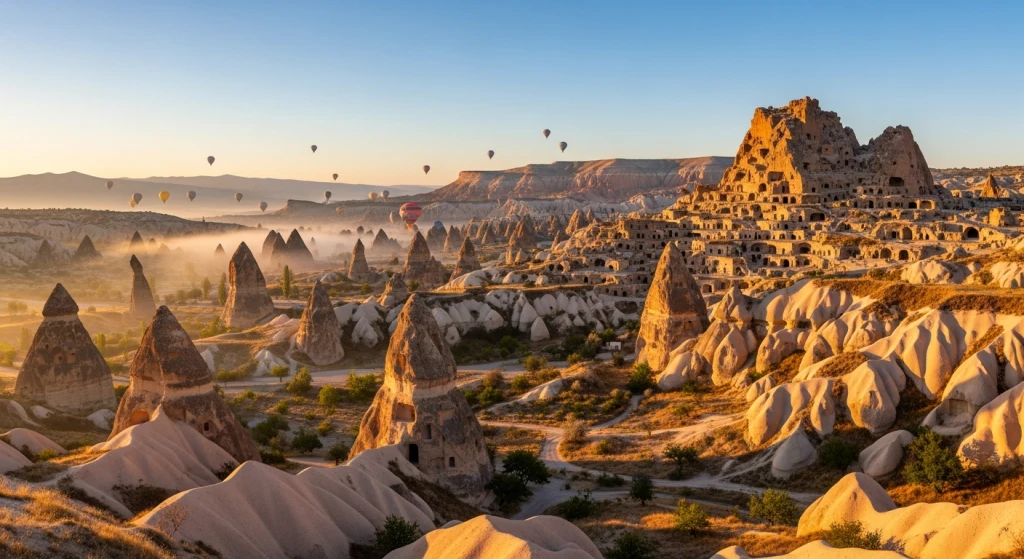
Cappadocia’s fairy chimneys and sunrise balloons often steal the spotlight, but some of the region’s most astonishing sights are actually hidden beneath your feet. For thousands of years, people carved entire worlds into the soft volcanic rock: multi-level underground cities with homes, churches, wineries, kitchens, animal stables, and even secret escape tunnels.
This guide explores the most fascinating underground cities of Cappadocia, how to visit them, and what to know before you descend into Turkey’s subterranean past.
Why Cappadocia Has So Many Underground Cities
The otherworldly landscape of Cappadocia is the result of ancient volcanic eruptions that left behind soft tuff stone. Locals discovered that this rock was easy to carve yet surprisingly sturdy, keeping interiors cool in summer and warmer in winter.
From the Hittites to early Christians and Byzantine communities, residents dug down for two main reasons: protection and privacy. When invading armies arrived on the Anatolian plateau, entire villages could disappear underground for days or weeks, sealing heavy stone doors from the inside and using hidden ventilation shafts and wells to survive.
Today, visitors can walk the same tunnels, chapels, and communal spaces, offering a rare, tactile way to experience history.
Derinkuyu: The Deepest Known Underground City
What Makes Derinkuyu Special
Derinkuyu is the deepest excavated underground city in Cappadocia, plunging around 60 meters below the surface. Archaeologists estimate that it could shelter up to 20,000 people when fully in use, including families, livestock, and supplies.
As you descend level by level, you’ll pass through:
- Narrow passageways opening into larger communal rooms
- Rock-cut churches with faint fresco remnants
- Wineries and food storage areas carved directly into the stone
- Vertical shafts that doubled as wells and ventilation
Look out for the massive circular stone doors, rolled into place to block corridors during attacks. Seeing these up close gives you a real sense of how seriously communities took their underground defenses.
Visiting Tips for Derinkuyu
Derinkuyu can feel more enclosed than other sites, so it’s not ideal if you struggle with claustrophobia. Tunnels can be low and narrow – you’ll often walk slightly hunched. Wear comfortable shoes with good grip, and bring a light layer, as temperatures remain fairly cool underground even in summer.
Kaymaklı: A Labyrinth of Everyday Life
A More Spread-Out Underground City
Just a short drive from Derinkuyu, Kaymaklı offers a different feel. While Derinkuyu dives deeper, Kaymaklı spreads out horizontally with interconnected rooms and wider corridors, making it feel more like a subterranean village than a vertical fortress.
You’ll find:
- Large communal kitchens with blackened ceilings from centuries of smoke
- Storage pits that once held grains, fruits, and wine
- Stables for animals carved next to living quarters for convenient access
- Long, sloping tunnels connecting various family and public spaces
Because of its more open layout, many travelers find Kaymaklı easier to explore, especially as a first introduction to Cappadocia’s underground world.
How Much Time to Spend in Kaymaklı
Plan at least 60–90 minutes for Kaymaklı itself. Add extra time if you like to read every information panel and take lots of photos – there are many details worth pausing over, like carved niches in the walls and subtle traces of past occupations.
Smaller, Less Crowded Underground Gems
Beyond the famous names, several smaller underground settlements dot the region, each offering quieter, more intimate experiences.
Özkonak Underground City
Özkonak is less visited but intriguing, especially for its defensive innovations. Here you’ll see narrow communication holes between levels and unique traps designed to slow or confuse intruders. Because crowds are lighter, it’s easier to appreciate the silence and imagine life below ground.
Mazi Underground City
Mazi retains a more “raw” atmosphere, with fewer restored sections and a stronger sense of excavation in progress. It’s a great option if you enjoy slightly off-the-radar archaeological sites and don’t mind simpler infrastructure.
Connecting the Underground to the Surface Culture
One of the best parts of exploring Cappadocia’s underground cities is how they connect to the broader culture and landscape. Many above-ground villages still use rock-cut storage rooms and even cave houses. Traditional recipes, like slow-cooked testi kebab baked in clay pots, echo the region’s long history of cooking in enclosed stone ovens.
To deepen your understanding of how the underground cities fit into Cappadocia’s wider story, you can combine these visits with open-air museums, valleys, and villages. For more inspiration on how to weave these experiences into a wider itinerary, browse the travel stories and planning guides in the main Turkey travel blog, which often highlight cultural stops and multi-day routes around the region.
Practical Tips for Visiting Cave Cities
Best Time of Day
Arrive early in the morning or later in the afternoon to avoid the busiest coach-tour periods. Underground cities stay relatively cool all day, so you don’t need to plan around midday heat as strictly as you would for outdoor hikes.
What to Wear and Bring
- Comfortable walking shoes with decent grip
- A light jacket or long-sleeve layer (temperatures are consistently cool below ground)
- A small daypack – large backpacks can be awkward in tight tunnels
- A phone or small flashlight for extra light in dim corners (respect any local rules about flash photography)
Accessibility and Safety
Unfortunately, the ancient tunnels and steep steps make most underground cities challenging for travelers with mobility issues. Handrails are limited, ceilings are low in places, and floors can be uneven. If you have joint or back problems, consider limiting yourself to the more open areas and skipping the steepest descents.
Families with children can visit, but keep a close eye on younger kids – they may be tempted to run ahead or explore side passages. Agree on a “meeting spot” before going too deep and always follow marked visitor routes.
How to Choose Which Underground City to Visit
If you have limited time, use this quick guide:
- Choose Derinkuyu if you want dramatic depth, powerful stone doors, and a sense of vast scale.
- Choose Kaymaklı if you prefer a more spread-out layout with larger rooms and spacious tunnels.
- Add Özkonak or Mazi if you enjoy quieter sites and want to experience different architectural styles and levels of restoration.
Many visitors combine at least one underground city with other Cappadocia highlights like valleys, viewpoints, and historic villages over one or two days. If you enjoy structured itineraries and want to pair underground exploration with other activities, keep an eye on the evolving suggestions and sample trip ideas in the broader Cappadocia and Turkey blog articles.
Why Cappadocia’s Underground Cities Belong on Your Bucket List
Walking through Cappadocia’s underground cities is unlike visiting a typical museum or monument. You don’t just look at history – you move through it. You duck through the same tunnels families once used to flee danger, peer into kitchens where food was prepared, and feel the cool stone walls that protected entire communities.
Whether you’re fascinated by ancient engineering, early Christian history, or simply love unusual travel experiences, these subterranean worlds add a powerful, immersive layer to any Cappadocia trip. Take the time to explore at least one underground city, and you’ll come away with a deeper appreciation for how people have adapted to this unique landscape for millennia – not just above ground, but in the hidden depths below.
Our partners