


Hidden Cappadocia Villages: Off-the-Beaten-Path Towns to Visit in 2026
Hidden Cappadocia Villages: Off-the-Beaten-Path Towns to Visit in 2026
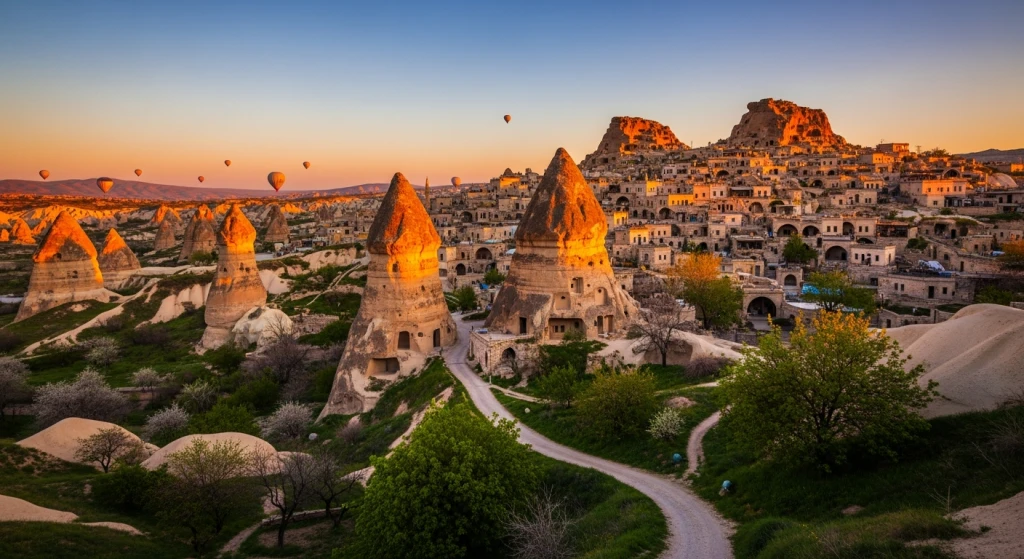
Cappadocia is no longer a secret—sunrise balloon photos and packed viewpoints in Göreme have made sure of that. Yet just a few valleys away, small villages still move at a slow Anatolian pace, where you can hear roosters in the morning and see locals drying apricots on their rooftops. If you’re planning a trip to Cappadocia in 2026 and want the magic without the crowds, these hidden villages and lesser-known towns belong on your itinerary.
For deeper planning inspiration beyond this guide, you can also browse the broader Turkey travel insights on the AirportTransfer Blog, then come back to craft your own off-the-radar Cappadocia route.
Why Look Beyond Göreme and Ürgüp?
The famous hubs are great bases, but Cappadocia’s character lives in its villages. Venturing out gives you:
– Slower, more authentic encounters with locals
– Lower prices for food and accommodation
– Quieter valleys and cave churches you may have all to yourself
– A better sense of how people actually live in this unique landscape
Most of these villages are within one hour of Göreme or Ürgüp, making them easy day trips—or peaceful overnights—while still keeping you connected to Cappadocia’s main sights.
1. Mustafapaşa (Sinasos): Stone Mansions and Greek Heritage
Just 6 km south of Ürgüp, Mustafapaşa feels like an open-air architecture museum. Once known as Sinasos, it was a prosperous Greek town until the population exchange in the 1920s. Today, its quiet streets are lined with intricately carved stone mansions, many now small guesthouses, art galleries, or tasteful cafés.
What Makes Mustafapaşa Special
– Ornate Greek-Ottoman mansions with carved facades and courtyards
– Old churches and chapels hidden on side streets and in nearby valleys
– A genuinely sleepy, village atmosphere even in high season
Spend a half-day wandering the center, then walk out toward the valleys on the town’s edge. You’ll find abandoned stone houses, tiny chapels and panoramic viewpoints without tour groups.
Local tip
Try to visit in the late afternoon. As the light hits the pale stone, the village glows—and most day visitors have already left.
2. Ortahisar: The Quiet Castle Town
Ortahisar sits roughly halfway between Ürgüp and Göreme, but feels overlooked. Its name means “middle castle,” and the huge rock citadel in the town center is impossible to miss. While Uçhisar is often packed, Ortahisar’s castle and surrounding streets are far calmer.
Why Visit Ortahisar
– Climb the rock castle for wide-open views to Erciyes volcano and the fairy chimneys
– Walk among old stone houses, some still used as carved storage caves for citrus and potatoes
– Enjoy family-run restaurants serving hearty home-style dishes at local prices
From the village, you can hike into the surrounding valleys, passing apricot orchards, pigeon houses cut into the cliffs, and long-forgotten cave dwellings. It’s easy to spend a full day combining gentle hikes with café breaks.
Local tip
Ask locals about citrus storage caves—some are still in use and, if you’re lucky, you might be invited to peek inside to feel the cool air and see how naturally constant temperatures preserve the fruit.
3. Çavuşin: Cliffside Cave Homes and Hidden Chapels
Just a short drive from Göreme, Çavuşin somehow remains much quieter than its famous neighbor. The modern village hugs the road, but the real drama is in the crumbling cliffside cave village and rock church above.
Highlights of Çavuşin
– Explore the abandoned rock village: empty cave homes, stone stairways and hidden rooms
– Visit the Church of St. John the Baptist, one of the oldest in Cappadocia, for sweeping views
– Use Çavuşin as a trailhead for hikes through Rose and Red Valleys, especially stunning at sunset
It’s an ideal place to feel Cappadocia’s ancient layers—Byzantine frescoes, early Christian hideouts and modern Turkish village life all within a 15-minute walk.
Local tip
Come early in the morning. You’ll likely have the ruins nearly to yourself, and on clear days you can watch hot-air balloons drifting above the valleys in the distance.
4. Güzelyurt: Monastic Valleys and Rural Silence
If you have time for a deeper detour—especially if you’re linking Cappadocia with a visit to Konya or the Ihlara Valley—Güzelyurt is worth the side trip. Set on the edge of a dramatic canyon, this small town is one of Cappadocia’s most atmospheric, yet rarely included on mainstream itineraries.
Why Güzelyurt Belongs on a 2026 Itinerary
– A stunning canyon dotted with rock-cut churches and monasteries
– Old stone houses and narrow lanes with almost no tourist infrastructure
– A genuine “step back in time” feel, with farmers still using donkeys and traditional tools
From the town center, pathways lead down into the canyon where you can wander for hours among vineyards, streams and cliffside chapels. It’s a quieter, more meditative alternative to busier valleys near Göreme.
Local tip
Combine a night in Güzelyurt with a day trip to the nearby Ihlara Valley. The contrast between the two canyons, and the near absence of crowds in Güzelyurt, makes the visit feel even more special.
5. Soğanlı Valley Villages: Remote and Raw Cappadocia
South of Mustafapaşa, the Soğanlı Valley area hides a cluster of tiny villages and rock churches. Fewer buses make it here, so you’ll often be walking alone among pigeon houses and ancient frescoes.
What to Expect in Soğanlı
– Quiet hiking trails through a narrow, green valley
– Dozens of small, rock-cut churches, some still with vivid frescoes
– Local women selling handmade “Soğanlı dolls” and simple village meals
This area shows you how people still live intertwined with the landscape—farming small plots below towering cliffs and using rock-cut storerooms and animal shelters just like their grandparents did.
Local tip
Bring small change if you plan to buy crafts or snacks; many stalls are cash-only, and card machines are rare in these tiny communities.
How to Add These Villages to Your 2026 Cappadocia Plan
For a short trip, you can base yourself in Göreme or Ürgüp and day-trip to one or two villages: for instance, Ortahisar and Mustafapaşa on one day, and Çavuşin plus a valley hike on another. With more time, consider a slow loop: start in Göreme, continue to Ortahisar, stay a night in Mustafapaşa, and then make a side trip to Soğanlı or even out to Güzelyurt.
As you sketch your route, keep an eye on broader Turkey updates and regional travel tips via the regularly updated AirportTransfer Blog, especially if you’re linking Cappadocia with other regions in 2026.
Respectful Travel in Small Cappadocia Villages
These places remain peaceful partly because tourism hasn’t overwhelmed them. Help keep it that way:
– Dress modestly, especially in village centers and around mosques
– Always ask before photographing people, homes, or private courtyards
– Support local cafés, family-run pensions and craft stalls
– Stay on marked paths in fields and orchards; these are people’s livelihoods
By traveling slowly and respectfully, you’ll not only avoid the crowds—you’ll also share stories and smiles with the people who call Cappadocia home. In 2026, when the main sites are busier than ever, these hidden villages may well become your favorite memories of the region.
Our partners